I’ve been in the freelance writing business for a while now, and I like to think that I’m somewhat of an operations expert when it comes to being a solo entrepreneur.
Right from the start, I set up a system for everything from quoting projects to handling contracts to invoicing and tracking client payments. And everything was going just swimmingly until the first time one of my clients didn’t pay up.
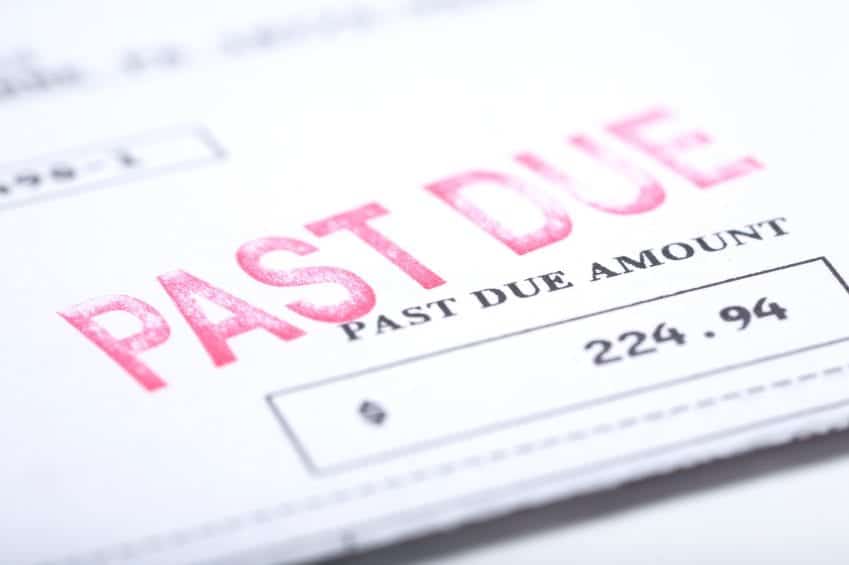
At first I was in denial. I kept thinking, “Oh, I bet she just missed the invoice.” My inbox gets pretty cluttered sometimes, too. But as I make the final edits on this post at noon on August 28, 2011, I have come to accept the fact that I will never see another single cent from that delinquent client. The invoice — a measly $60 in total — is now more than 150 days past due.
It’s a little disheartening to get stiffed like that. But I try to remind myself that my system must work pretty well if it’s only happened to me once in all my years of freelancing. Here are a few suggestions I have for dealing with your past due clients.
Get It In Writing
First of all, get a signed contract before you begin work on a project (especially if the client is unknown to you, but even if they’ve been recommended by a friends or colleague). In almost all situations, a written contract is a must.
Use an Invoicing System
I use an online invoicing service that automatically sends 30, 60, and 90 day past due notices to clients with outstanding balances. Only a few of my clients ever receive the 30 day notice, and those that do get it either pay immediately or contact me directly to let me know what’s going on.
Make Personal Contact
In addition to auto reminders from my invoicing service, I also attempt to reach clients with a short email or a phone call. I’ll say something like, “Hey, I noticed that you recently received a past due notice from me. Let me know if there’s a problem or if you think my records are wrong.”
Stop Working
For heaven’s sake, stop doing work for non-paying clients! Sometimes, clients will promise over and over that the check is in the mail, and you’ll want to believe them. That’s all fine and good, but don’t you dare start another project for them until that check has been received and it clears at the bank. After 60 days of non-payment, I suspend work on current and future projects, no exceptions. No client has ever had the gall to complain to about this policy.
I credit these practices for keeping my bookkeeping tasks from turning into a total nightmare. And although my outstanding payment record isn’t completely spotless, it is very manageable.
Remember not to lose your cool if you’re having trouble getting clients to pay invoices. It happens to all of us at some point, no matter how thorough, how diligent, or how convenient we make it for clients to pay. We can do our best to ensure these kinds of things don’t happen often, but we can never be 100 percent certain that it won’t happen to us at some point in our entrepreneurial careers.
Have you ever dealt with a deadbeat client? What did you do?
Image credit: turner890