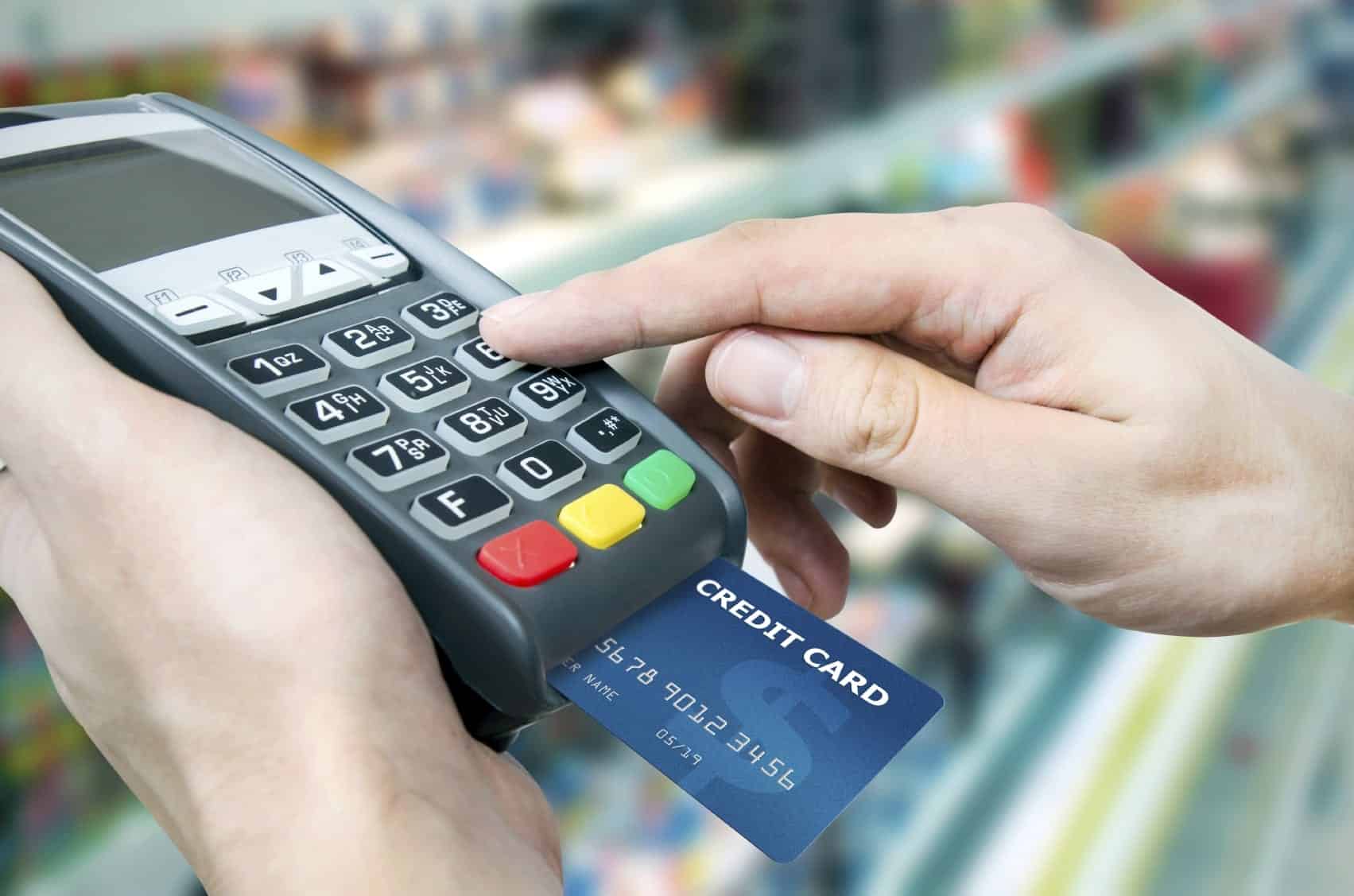
3 Types of POS Systems for Small Businesses

By Susan Guillory

If you plan on having a retail store, you will need a point-of-sale (POS) system to complete sales, track inventory, accept credit card payments, and manage other aspects of your small business. But deciding on a POS system can feel overwhelming. Some are easier to use than others. Some give you better reporting than others. To help you narrow your search, here are three types of POS systems to consider for your store.

All-In-One POS System

Some POS systems give you robust functionality in one application. Not only can you accept payment from customers but you can also get detailed reporting about your business.

These types of POS systems often run quickly, saving you time both when checking out a customer and when collating your data. Because these systems are so robust, they’re often tailor-made to your specific industry. For example, a restaurant all-in-one POS system will look and react differently than that of a clothing store all-in-one POS system.

The potential downside to these systems is that they can cost a good amount of money each month. If you’re just getting started, you might want to opt for another system that’s better suited for your budget.


Cloud-Based POS System

Cloud-based POS systems are basically mobile apps your business can use on any device. This is beneficial to many types of businesses, including restaurants wanting to offer table-side checkout or retailers wanting to offer mobile checkout locations throughout the store.

If you’re using non-traditional hardware, such as tablets or smartphones, to accept payment, you’ll want to get a cloud-based POS system.

EMV Chip Readers

In late 2015, consumers started to have their credit cards switched to include the EMV chip. Store owners were supposed to do the same, yet many retailers have been slow to adopt EMV chip readers at their POS systems.

EMV chip readers don’t matter much for consumers, but they make a big difference for retailers. If there is a fraudulent charge, retailers have better protection when a chip reader is used rather than the traditional swipe-to-pay system. If you’re shopping for a new POS system, getting one with a chip reader is ideal. Soon, it’ll be the only option you have.

Which One is Right for You?

Narrowing the pool of choices to the type of POS system will help you decide which one is right for your needs. If you’re well established and have a healthy revenue stream coming in, an all-in-one might be the best option. If you’re just getting started, you’ll want to steer toward the cloud-based POS systems. And, if you want to stay compliant while minimizing your risk, you might want to limit your search to only include POS systems with EMV chip readers.


Picture of Chaz Michaels

Chaz Michaels

TRENDING AROUND THE WEB

Sleep science says the pilot who nodded off for 28 minutes at cruising altitude wasn’t being careless — he was legally “rested” by every rule on the books, and fell asleep anyway, because duty-time regulations count hours off, not hours actually spent recovering

Sleep science says the pilot who nodded off for 28 minutes at cruising altitude wasn’t being careless — he was legally “rested” by every rule on the books, and fell asleep anyway, because duty-time regulations count hours off, not hours actually spent recovering

The Blog Herald

In the original precrastination experiments, people picked up whichever bucket was closer and carried it the rest of the way — even when it meant carrying more total weight for longer — just to stop holding the choice open

In the original precrastination experiments, people picked up whichever bucket was closer and carried it the rest of the way — even when it meant carrying more total weight for longer — just to stop holding the choice open

Global English Editing

Cornell researcher Vanessa Bohns has spent years studying why people agree to requests they’d rather decline, and her research consistently finds that people dramatically overestimate the social cost of saying no, which means most of the exhaustion of over-committing gets paid for a consequence that was never really on the table

Cornell researcher Vanessa Bohns has spent years studying why people agree to requests they’d rather decline, and her research consistently finds that people dramatically overestimate the social cost of saying no, which means most of the exhaustion of over-committing gets paid for a consequence that was never really on the table

Global English Editing

People who answer texts instantly aren’t always the most invested, they’re often the ones who’ve replaced waiting, wondering, and rereading with a single quick reply

People who answer texts instantly aren’t always the most invested, they’re often the ones who’ve replaced waiting, wondering, and rereading with a single quick reply

Global English Editing

Someone who won’t admit their attraction may not be hiding it out of dishonesty, they may simply be flirting in a style — polite, playful, or reserved — that doesn’t match the cues people expect to see

Someone who won’t admit their attraction may not be hiding it out of dishonesty, they may simply be flirting in a style — polite, playful, or reserved — that doesn’t match the cues people expect to see

Global English Editing

Chronic sleep deprivation doesn’t just leave someone tired, sleep researchers have repeatedly found it lowers scores on the same attention, memory, and reasoning tasks used to estimate cognitive performance

Chronic sleep deprivation doesn’t just leave someone tired, sleep researchers have repeatedly found it lowers scores on the same attention, memory, and reasoning tasks used to estimate cognitive performance

Global English Editing

Subscribe to receive our latest articles!

Get updates on the latest posts and more from Small Business Bonfire straight to your inbox.