

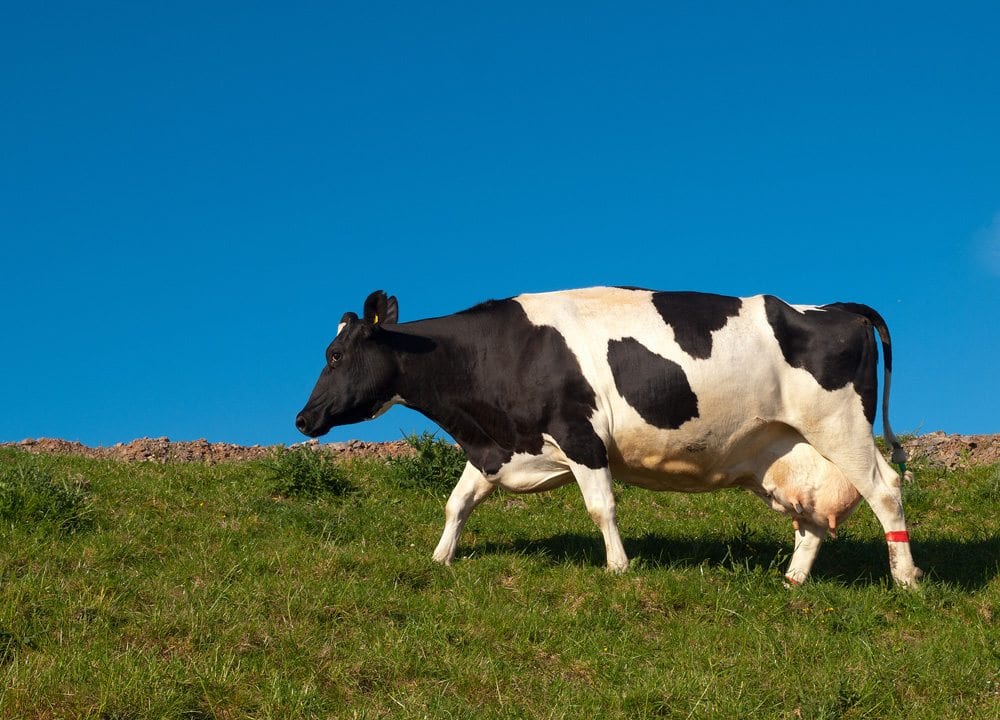
Growing up on a family farm wasn’t glamorous, but it did teach me a lot of valuable lessons.
Today, I’m the founder and CEO of Intertech, a technology consulting business. Here’s how my “home grown” wisdom is put to use every day in running my own small business.
You get what you give.
Farmers who invested in tilling their lands, weeding their fields and doing preventative equipment maintenance had better farms. I put this principle to work in my business by continually investing in new computers and other technology. To avoid waste, we find ways to repurpose the older stuff or donate it to kids or others who can benefit from it.
You can’t always control the results, but you can control the activity.
When growing crops you control planting, weeding and harvesting. You obviously cannot control rain, sun and temperature. The only way farmers keep from going crazy is to focus on things they can control. This lesson is particularly useful for salespeople, who should focus on their attitude, the hours they work and the contacts they make.
Help others and they’ll help you.
When another farmer needed to borrow a tool or needed an extra hand, my dad was there. After he died in a farming accident, nearly a dozen farmers from throughout the county showed up to help bring in Dad’s crop. “It is literally true that you can succeed best and quickest by helping others to succeed,” notes the well-known business motivation author, Napoleon Hill.
Years ago, a customer was let go from his job. He asked me for help in his search for a new position. I did. Several years later, we were bidding on work with his new company…and he was the key decision maker.
It may be a #$*!!y job, but somebody’s got to do it.
If you want to know the definition of a tough assignment, try getting slapped in the face with a urine-soaked tail as you’re milking a cow! In business, some of the crappiest jobs are also the most important ones, like having a “let’s get real chat” with an employee who’s not hitting performance goals.
Pay attention.
As a kid, I wasn’t a big fan of our Sunday drives around the county after working the week in the fields and barn. But it was an important part of the routine for Dad to go “check the crops.” My version today is just walking around, observing and talking with my folks. By simply paying attention, I can get a pretty good read on how things are going.
Know your numbers and act accordingly.
Dad had his herd tested every month and adjusted the diet of each animal based on its milk production. Higher producers got more food. Lower producers turned into hamburger. It’s similar in business. Top performers should be given all the tools and training they need to be even more successful. Of course, you’d go to jail for killing and eating your bottom performers. Luckily, you can just show them the door!
Keep learning.
I remember asking my mom, “Dad’s at school?” as a confused kid. Dad took a lot of agriculture classes from local organizations learning how to be better at farming. He never stopped learning and taught me the importance of this value. It’s not a coincidence that “commencement” — the name of high school or college graduation services — means, “to begin.” Today every person in our organization has an annual learning goal and it’s an important evaluation metric for us as well.
Be thankful.
This isn’t as much a business principal, but a life lesson. No matter how tough the farm season, Dad modeled appreciation for what we had. In one of my favorite books, What Happy People Know, the authors write that we can’t have “thoughts of fear and appreciation at the same time.” Try it!
Image credit: steved_np3






