By Alyssa Gregory
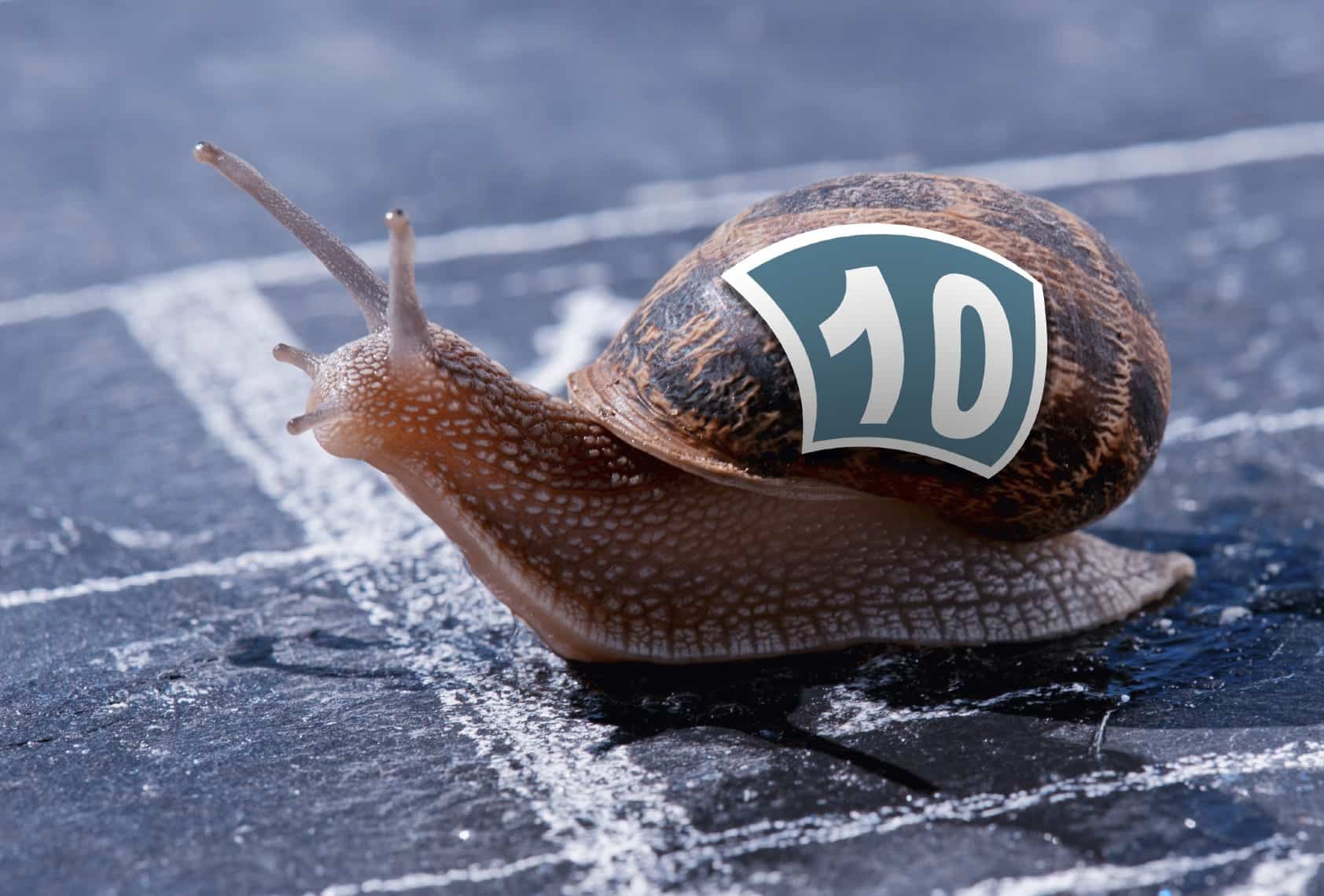
A laggard is defined as a person who makes slow progress and falls behind others. This seems like an especially relevant term for small business owners who are still resisting social media. Social media is no longer new; it’s no longer untested; it’s certainly not a fad. In fact, instead of fading away, it has become a crucial tool for small business marketing.
Obvious reasons for staying behind the curve and not jumping into social media are feeling overwhelmed by all of the networks, and simply not knowing how to start. But with all of the resources that are available out there, help is easy to find. So what is it that makes small business owners social media laggards?
Laggards are watchers.
Laggards watch; they wait; they refuse and ignore until they are “forced to” adapt. I don’t know about you, but being “forced” to accept change sounds awful to me. I’d much rather be in control of the changes and make the choice about how I intend to adapt to them.
In my experience, one of the biggest reasons laggards refuse change is because of fear. Change brings a sense of the unknown, and that can be pretty darn scary. Risk, change, failure, success. You can’t have one of those without the others, and if you’re not ready to close your eyes and jump in, you could end up paralyzed… watching the changes and the “early adopters” speed past you.
It’s all about fear.
There’s nothing wrong with fear. Fear is a powerful sign that we have an opportunity to do something that can change our lives. Fear means we’re about to exit the warm, fuzzy atmosphere of our comfort zone, and we need to proceed with caution. But it also means that there could be something very worthwhile on the other side — a big adrenaline rush, the potential for success, a tremendous learning opportunity, a chance to conquer a personal demon.
So how can you get past the fear and make a change? There are a lot of ways to get past fear. For me it’s simple. I arm myself with as much information as possible, a) to make sure I know what I’m getting into and that I’m fully educated and prepared for what is going to happen, and b) so I can envision what will happen if I succeed, or if I fail. And then, I give in to the process and let the cards fall where they may.
It’s simple, but not easy.
Is it easy? No, change and adaptation it’s not always easy. But there’s tremendous power in doing it anyway. Why? Because the fear of living with regrets, of not moving forward, of not trying new things, of being a laggard can be greater than the fear of change itself. There is always fear, the question just becomes what scares you more and what makes you act (or not).
Are you a frequent risk-taker, change-accepter? Or is it harder for you to adapt?
What do you do to overcome your own fear?