By Bryan Orr
I am the first born in a long family lineage of whiners and complainers. It is one of my greatest vices and probably one of my most destructive habits as a business owner, and I am not alone.
Get a group of business owners in a room and give it 10 minutes. “The weather…” this, “what do you do?” that, and bam — complaints. It’s understandable. Being a business owner isn’t easy, and it is also very isolating, so if you are like me, finding an opportunity to whine a bit around others who feel my pain can be an enjoyable experience.
But it’s a bad habit that can inflate problems in your mind and it can hurt your business. While others may join in on the complaining they are also more likely to avoid your business when they have heard you express negativity about your business. Before you accuse me of whining about whiners, here’s what I mean.
1. The Labor Force
Every generation claims that “kids these days just don’t know how to work” or some version of that complaint. There may be some truth to the fact that the workforce has changed and many younger workers view the workplace differently than previous generations, but it is a fair playing field.
Every business experiences some of the same challenges with staff, it’s a matter of being able to creatively overcome this challenge that will lead to a thriving and productive workplace.
2. Smart Devices
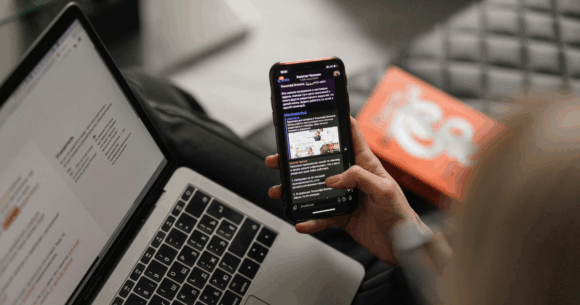
Everyone complains that everyone else is looking at their phones more than anything else. I get that it’s annoying and in many ways it is a negative social force, but in other ways smart devices have improved our lives and businesses greatly.
As business owners, parents, spouses, and friends we must all contend with what is appropriate and inappropriate use of mobile devices when in the company of others. It is a personal choice we must all grapple with and no amount of metawhining is going to solve it.
If you really can’t stand smart devices, ban your customers and employees from bringing them into your business. A bit extreme you say? I agree. So stop complaining about them.
3. Competition
In my business, the bulk of the complaints are targeted against low quality, small companies that charge low prices and often provide poor service. These competitors get called hacks, scabs or “Chuck in a truck.” The funny thing is that almost all of us started as one of those small companies, learning the ropes, working out our pricing, trying to make a go of it. Instead of complaining about them, why not make it clear to your customers the difference in value between your business and theirs?
4. Customers
These are the complaints that often occur INSIDE the walls of a business and they can also be the most harmful. When it comes to complaining about customers I would give yourself a zero tolerance policy. When your people hear you being rude, sarcastic or aggressive about your customers behind their back, it increase the odds that they will exhibit the same behaviors to their face.
Besides the fact that disparaging the very people who help you pay your bills is just an awfully ungrateful way to behave.
5. Taxes
I recently got a lovely letter in the mail informing me that I was being audited by the IRS. Needless to say, I was not thrilled and may have allowed myself to think some pretty whiny thoughts.
Related Stories from Small Business Bonfire
Taxes and regulation are here to stay and no matter your politics, the pragmatic approach is to be compliant and work with the system, Complaining just doesn’t help and can sound like you are unwilling to “pay your fair share” to some.
6. Long Hours
Don’t get me wrong, caring for your friends and family is more important than your business, and running a small business can be a serious drain on your time.
When you started, you knew what you were signing up for. The long hours often go with it. Yeah, sure, you may be burning the candle at both ends, but you are also the one who will reap the rewards later.
The best antidote for complaining is gratitude, and if you are fortunate enough to own a business you have much to be thankful for. Maybe try that as a subject for conversation next time you are surrounded by other business owners.
- Real confidence rarely needs to announce itself: it shows up as stillness under pressure, a level voice when everyone else in the room is raising theirs, a willingness to let silence sit for a few extra seconds, and no need to perform for an audience that was never really watching - Global English Editing
- A survey of 2,000 women over 45 commissioned by the herbal remedy brand A. Vogel found that more than two-thirds felt completely ignored by men the moment they walked into a crowded room, and 46 percent said no one around them seemed to understand what that shift actually felt like - Global English Editing
- Received Pronunciation, the accent linguists still nickname the Queen’s English, took shape inside a handful of England’s most expensive private schools, and it remains such a reliable marker of that background that a stranger can often place someone’s education within a single sentence. - Global English Editing